Compare Packaging Materials Before You Buy
Understand materials, premium finishes and new packaging ideas before making your next packaging decision.
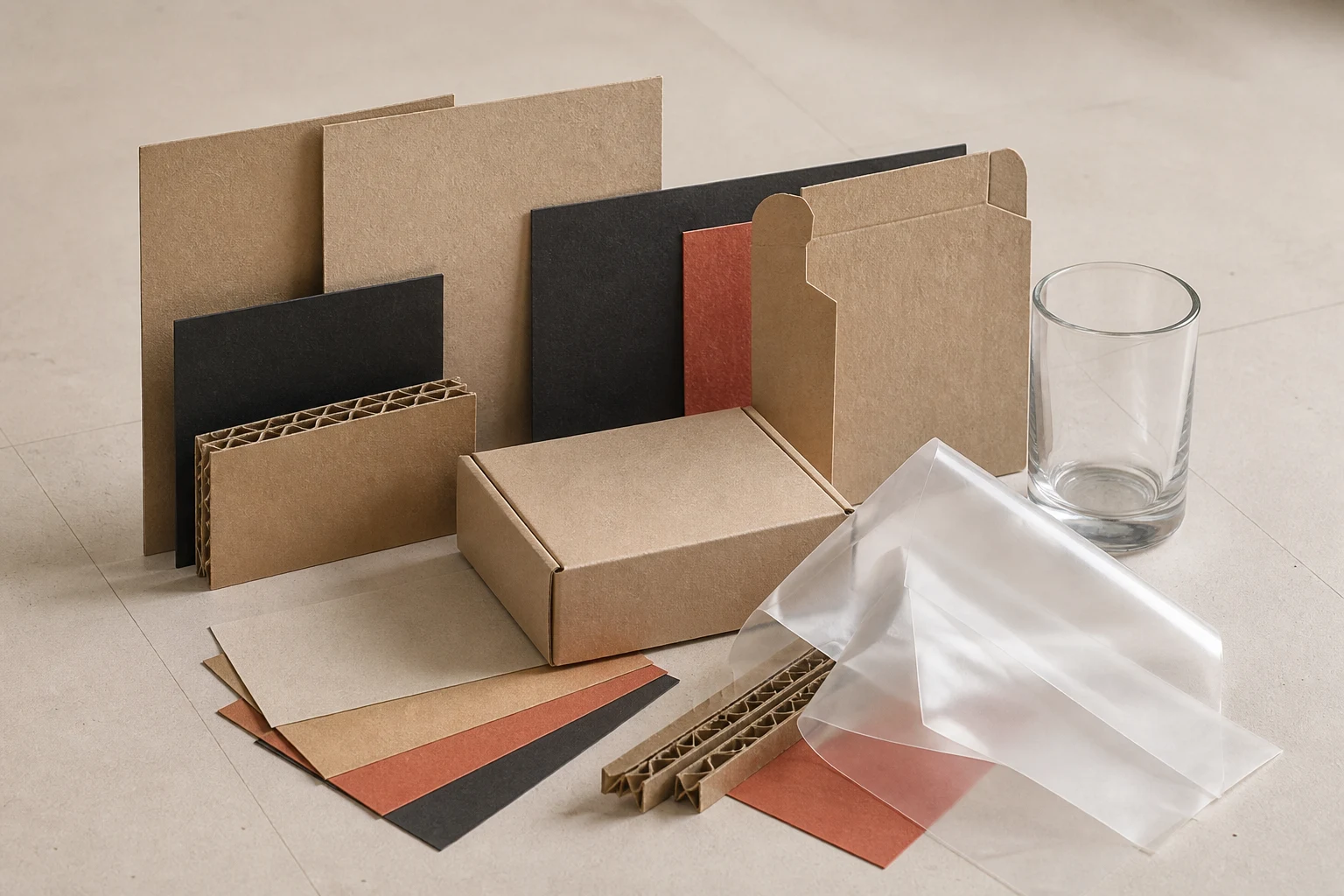
Materials are not a ranking. They are a set of trade-offs.
Start with protection, appearance, printability, moisture exposure, likely cost direction and end-of-life context.

-
Paper & paperboard
A versatile print surface for folding cartons and sleeves; grade, caliper and moisture exposure shape the result.
-
Kraft
A visibly fibrous paper family with natural variation; colour consistency and fine-detail printing need early checks.
-
Corrugated board
Fluted construction adds protection and stacking strength, while flute profile affects print finish and pack volume.
-
Rigid board
Dense board supports structured presentation boxes but adds weight, assembly steps and storage volume.
-
Flexible packaging
Lightweight films and laminates adapt to many formats; barrier needs and local recovery options require scrutiny.
-
Glass & emerging fibres
Glass offers clarity and inert surfaces while fibre experiments offer new forms; both need product-specific handling tests.
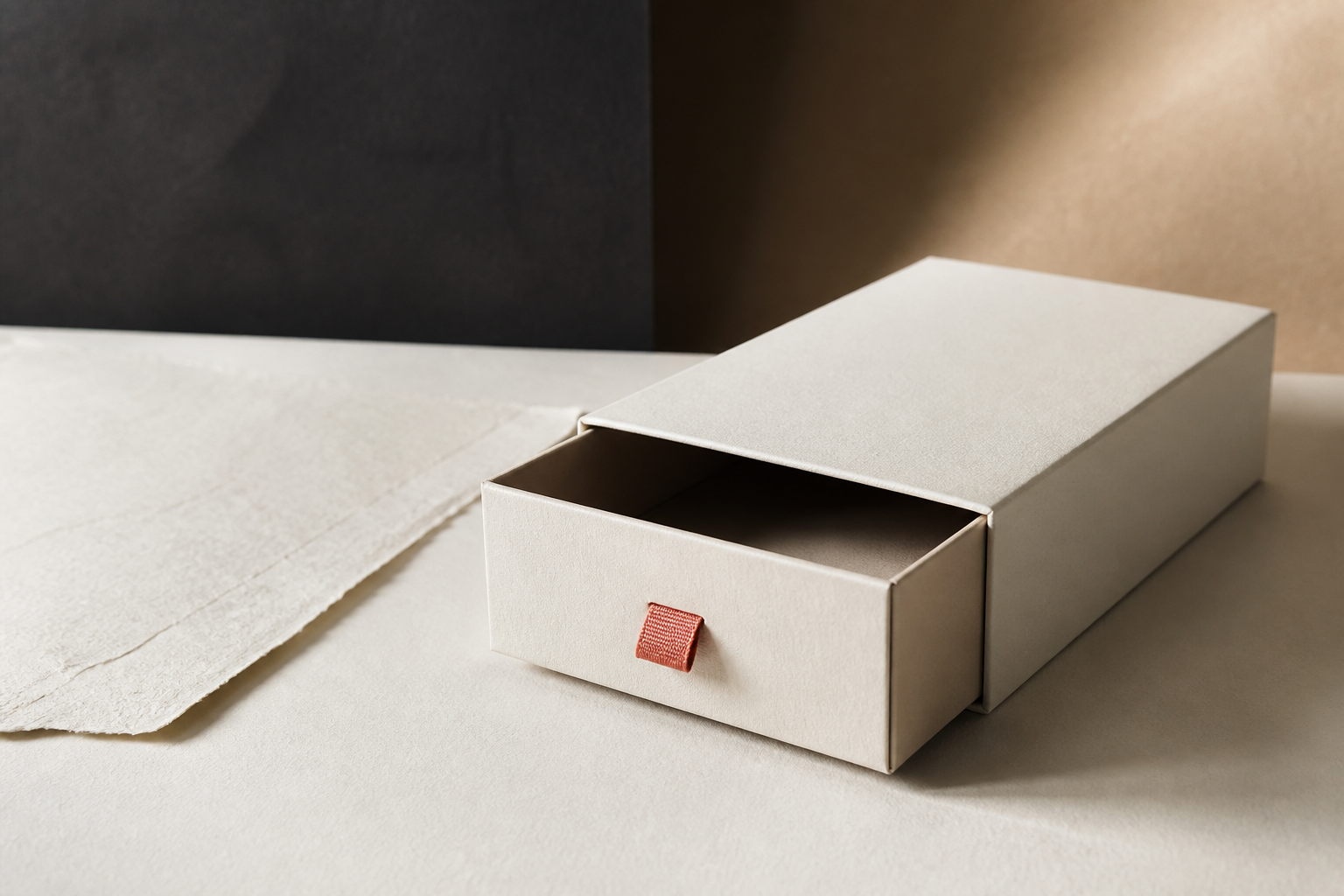
Premium is a system, not a price tag.
Material, structure, weight, texture, print execution, opening experience, restraint and consistency work together. The result should feel considered in use, not simply more elaborate.
-
Structure
Proportion, rigidity and fit establish the first physical impression.
-
Tactility
Material weight and surface texture shape how the pack feels in use.
-
Restraint
A controlled hierarchy lets selected details carry more meaning.
-
Opening
Sequence, resistance and access should feel deliberate and practical.
-
Consistency
Aligned colour, folds, print and finishing make the system coherent.
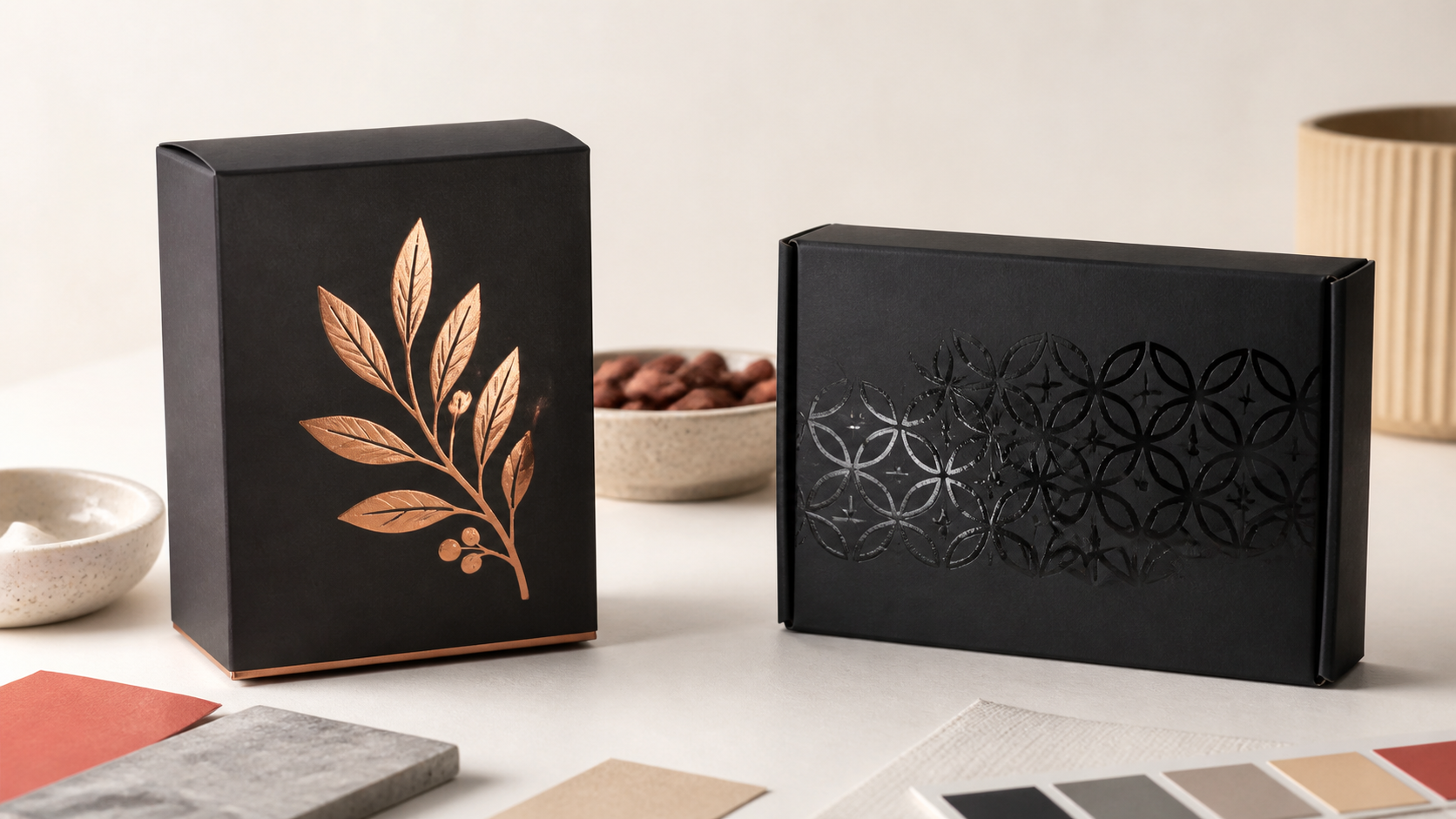
Finishes change perception — and production risk.
Compare the visual effect with the practical limitation, then validate on the intended stock and structure.

-
Matte
Effect: A low-reflection surface with a quiet, soft visual character. Limitation: Stock, coating and fold lines must be sampled for scuffing or cracking.
-
Gloss
Effect: A reflective finish that intensifies colour and contrast. Limitation: The coating must remain compatible with inks, folds and later adhesive.
-
Soft-touch
Effect: A velvety coating that adds tactile drag and warmth. Limitation: Scuff resistance and colour shift must be sampled.
-
Foil
Effect: A metallic accent with crisp directional reflection. Limitation: Fine details and folds need sufficient tolerance.
-
Spot UV
Effect: Selective gloss creates contrast against a quieter base. Limitation: Registration can vary across small or moving details.
-
Emboss
Effect: Raised relief gives a mark or pattern physical presence. Limitation: Depth depends on board, tooling and reverse-side impact.
-
Deboss
Effect: A recessed impression adds shadow and tactile definition. Limitation: Heavy pressure can distort nearby print or structure.
New materials deserve better questions.
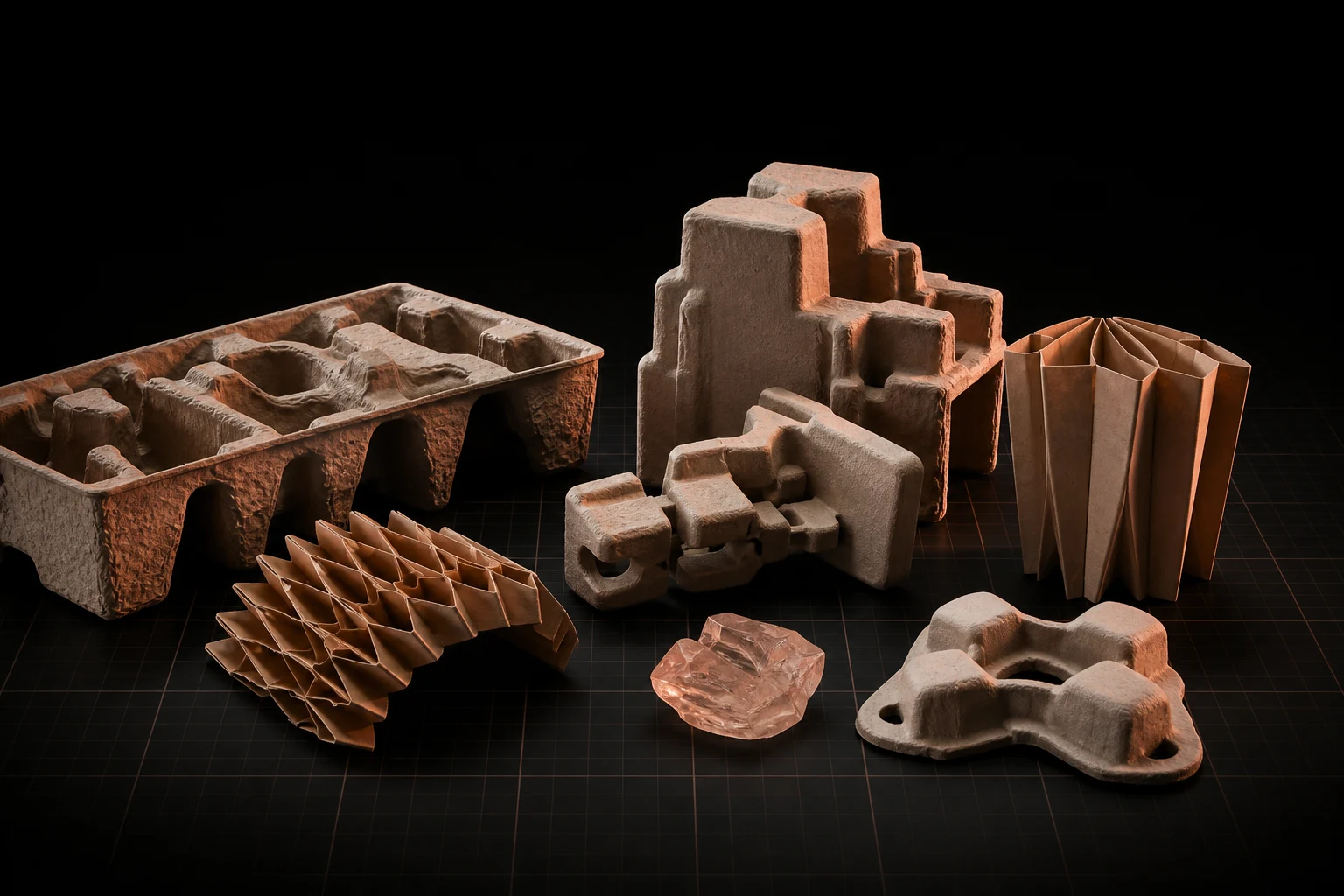
Assess protection, converting compatibility, storage, supply consistency and realistic recovery context before treating novelty as progress.
Questions worth unpacking
Packaging materials, finishes and ideas, explained for practical buying decisions.
-
Foil Stamping Versus Spot UV For Malaysian Brand Packaging: How To Choose
Compare foil stamping and spot UV for Malaysian packaging by visual contrast, touch, artwork fit, substrate compatibility and production risk.
-
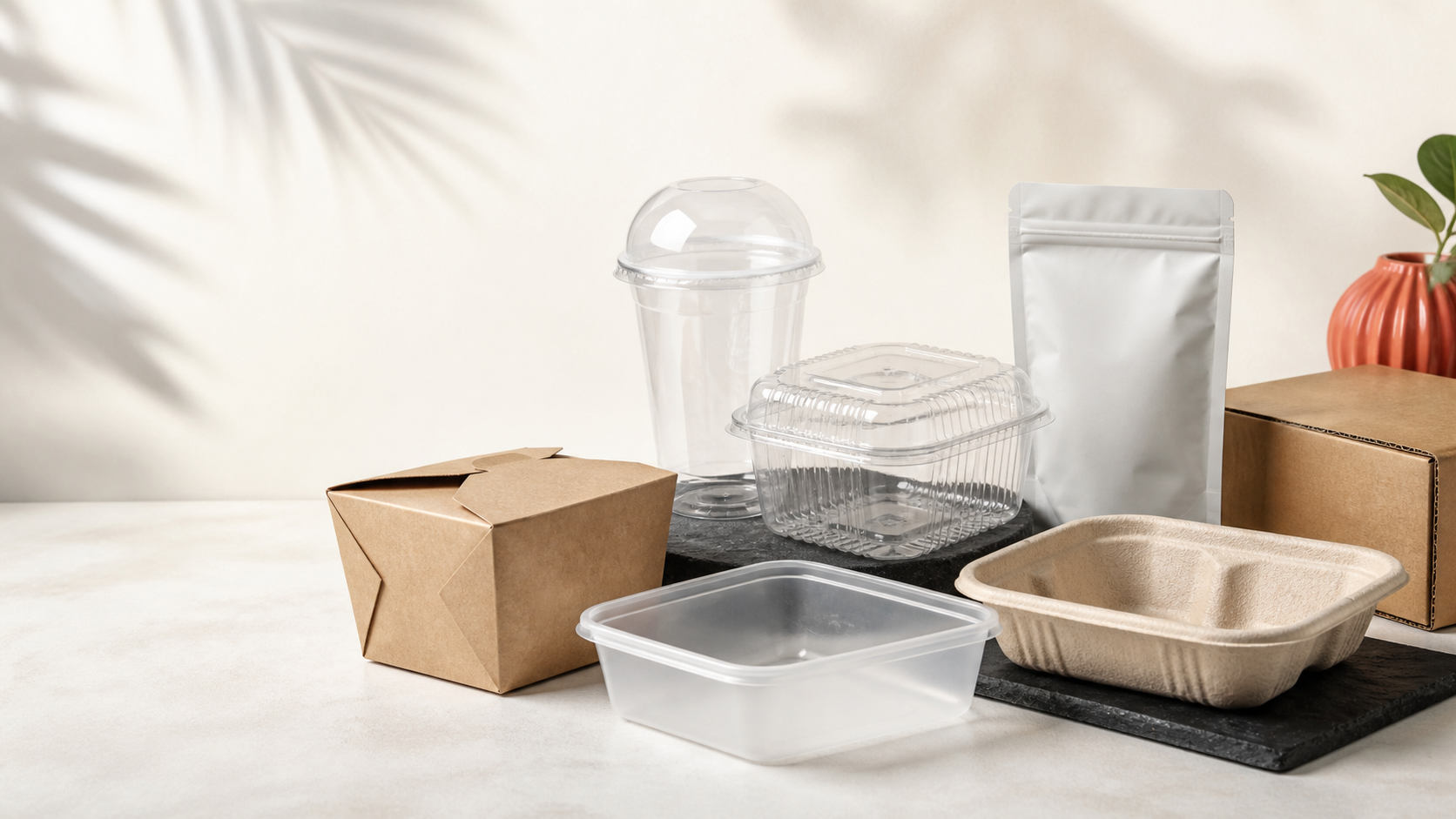
Food Packaging Materials Malaysia: A Practical Comparison For F&B SMEs
Compare food packaging materials for Malaysian F&B SMEs using food-contact checks, delivery trials, total cost and realistic recovery routes.
-

How Malaysian Brands Explain Packaging Material Trade-Offs Clearly
Malaysian brands can explain packaging trade-offs clearly by recording what changed, what remains protected, the evidence, and the compromise.
-
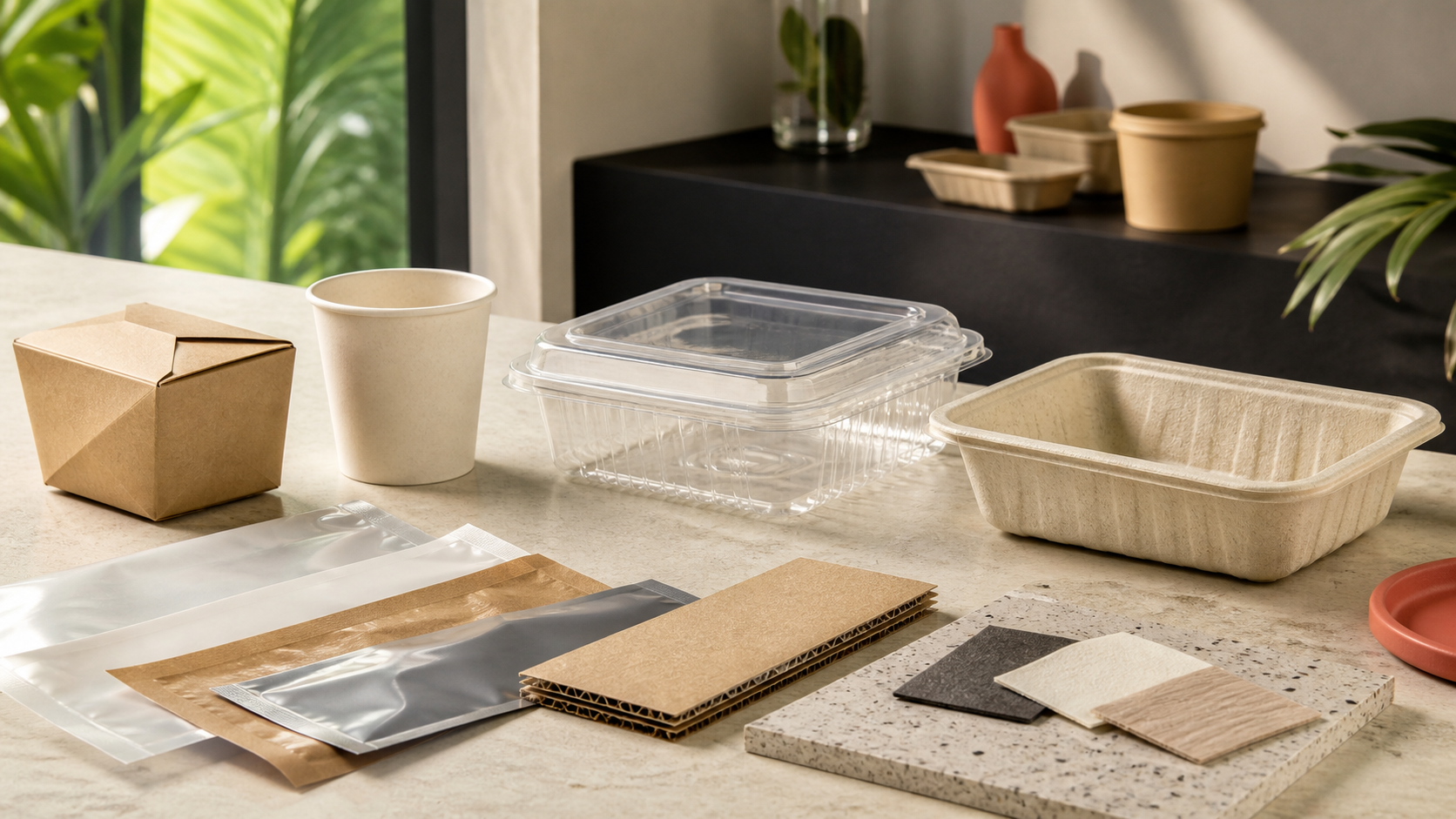
Food Packaging Materials Malaysia: How F&B SMEs Can Compare Options
Choosing food packaging materials Malaysia businesses can rely on requires more than comparing paper, plastic, aluminium and glass. Malaysian F&B SME owners,...
Why BoxMany
Packaging decisions deserve a clear view of what is known, what depends on context and where further checks are needed.

-
Buyer-first
We organise packaging questions around the decisions buyers actually face, using plain language and visible trade-offs.
-
Evidence-aware
We separate useful context from claims that need supplier data, samples or product-specific testing before they can be trusted.
-
Malaysia-focused
We keep Malaysian supply, climate and recovery context in view without pretending one local condition applies to every project.